


Surgical Orthodontics & Corrective Jaw Surgery
Orthognathic Surgery in Brevard County, Florida
For some patients, achieving a healthy bite requires more than moving the teeth. When the upper and lower jaws have developed out of alignment, surgical orthodontics—also called orthognathic surgery or corrective jaw surgery—may be recommended in combination with orthodontic treatment.
At Barlow & Benfield Orthodontics, we work with experienced oral and maxillofacial surgeons to coordinate orthodontic treatment before and after jaw surgery. Our goal is to create a bite in which the teeth and jaws function properly together while also considering facial balance and long-term stability.
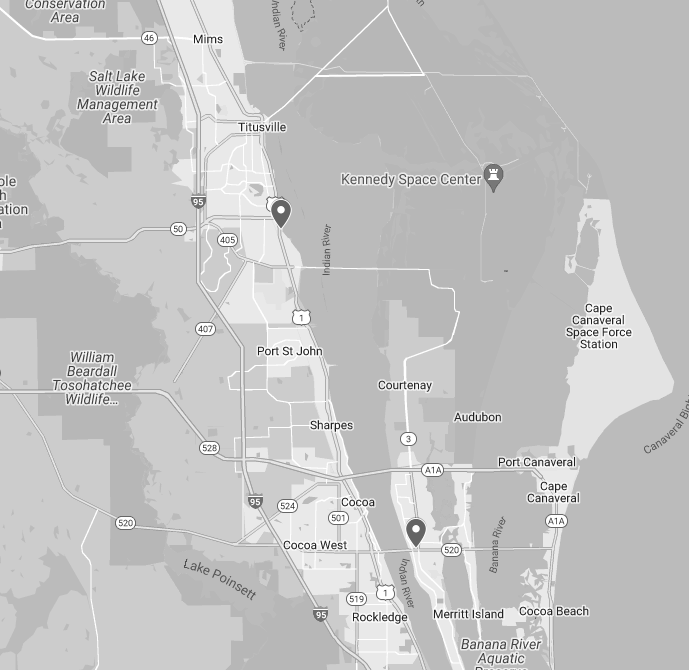
With offices in Merritt Island and Titusville, Florida, we provide surgical orthodontic treatment planning for teens and adults throughout Brevard County and Florida's Space Coast.
What Is Orthognathic Surgery?
Orthognathic surgery is corrective jaw surgery used to reposition the upper jaw, lower jaw, or both jaws when their size or position prevents the teeth and bite from fitting together properly.
Braces and clear aligners can move teeth, but they cannot significantly change the position of the adult jawbones. When a bite problem is primarily caused by the underlying jaw structure, orthodontic treatment alone may not be able to achieve the desired result.
In these cases, an orthodontist and oral and maxillofacial surgeon work together. The orthodontist positions the teeth appropriately within each jaw, and the oral surgeon repositions the jawbones so the upper and lower teeth can fit together properly.
Who May Need Corrective Jaw Surgery?
Jaw surgery is generally considered when there is a significant skeletal difference between the upper and lower jaws that cannot be predictably corrected with orthodontic treatment alone.
Conditions that may lead us to consider surgical orthodontics include:
-
Significant underbite
-
Severe overbite or large difference between the upper and lower jaws
-
Open bite
-
Skeletal crossbite
-
Recessed lower jaw
-
Protruding lower jaw
-
Facial or jaw asymmetry
-
Difficulty biting or chewing because of jaw position
-
Excessive tooth wear related to an abnormal bite
-
Difficulty comfortably closing the lips
-
Certain functional concerns associated with jaw position
Not everyone with one of these conditions needs jaw surgery. Many bite problems can be successfully treated with braces or clear aligners alone.
A comprehensive orthodontic evaluation is the best way to determine whether orthodontics alone or a combination of orthodontics and corrective jaw surgery is appropriate.
Can Braces Fix a Jaw Problem Without Surgery?
Sometimes.
In growing children and adolescents, orthodontists may be able to influence jaw growth or take advantage of remaining growth when treating certain bite problems. In adults, however, the jawbones have generally finished growing.
Braces and clear aligners can move the teeth within the jaws, but they cannot reposition a fully developed upper or lower jaw.
For some adults with mild or moderate skeletal discrepancies, orthodontic treatment may be able to improve the bite without surgery. This is sometimes called orthodontic camouflage.
For more significant skeletal discrepancies, corrective jaw surgery may provide a more appropriate way to address the underlying relationship between the jaws.
During your consultation, we will discuss the available options and whether nonsurgical orthodontic treatment is a reasonable alternative for your specific situation.
What Age Can You Have Orthognathic Surgery?
Corrective jaw surgery is usually performed after most facial and jaw growth has been completed.
For this reason, surgical orthodontic treatment most commonly occurs in the later teenage years or adulthood. The appropriate timing varies based on the patient, the type of jaw discrepancy, and growth and development.
Adults can also undergo orthognathic surgery. There is no single age at which someone becomes “too old” for surgical orthodontics. Overall health, dental health, treatment goals, and the recommendations of the orthodontist and oral surgeon are more important considerations.
What Problems Can Corrective Jaw Surgery Address?
Depending on the individual diagnosis, orthognathic surgery may improve several aspects of oral and facial function.
Bite and Chewing
When the upper and lower jaws do not align correctly, the teeth may have difficulty meeting properly. Correcting the jaw relationship can create a more functional bite and improve chewing efficiency.
Facial Balance and Asymmetry
The position of the jaws plays an important role in facial proportions. Corrective jaw surgery can address significant jaw asymmetry, a prominent or recessed jaw, and other skeletal imbalances.
Tooth Wear
An abnormal bite can place excessive forces on certain teeth. Improving the relationship between the upper and lower jaws may help create a more balanced distribution of biting forces.
Speech, Airway, and Other Functional Concerns
Jaw position can be associated with certain speech, airway, and functional concerns. When these issues are present, evaluation may involve additional healthcare professionals.
Orthognathic surgery is not automatically a treatment for TMJ pain, speech disorders, snoring, or sleep apnea. These conditions can have multiple causes and require an appropriate diagnosis before treatment recommendations are made.
What Is the Surgical Orthodontic Treatment Process?
Corrective jaw surgery is a coordinated treatment involving your orthodontist and an oral and maxillofacial surgeon. Although every patient's treatment is individualized, the process generally includes several stages.
1. Orthodontic Evaluation and Diagnosis
Treatment begins with a comprehensive orthodontic evaluation. We evaluate your teeth, bite, jaw relationships, facial proportions, and treatment goals using appropriate diagnostic records such as photographs, digital scans, and X-rays.
If we believe corrective jaw surgery should be considered, we will discuss the reasons with you and coordinate care with an oral and maxillofacial surgeon.
2. Pre-Surgical Orthodontic Treatment
Most patients wear braces or, in selected cases, clear aligners before surgery.
The purpose of this stage is to position the teeth correctly within each individual jaw so they will fit together properly after the jaws are surgically repositioned.
An important point for patients to understand is that the bite can sometimes appear temporarily worse during this stage. This is intentional. Rather than compensating for the jaw discrepancy with the position of the teeth, we are preparing the teeth for their new relationship after surgery.
The length of pre-surgical orthodontic treatment varies depending on the complexity of the case.
3. Surgical Planning
As surgery approaches, your orthodontist and oral surgeon coordinate the final treatment plan.
Digital imaging, scans, photographs, and other records may be used to evaluate the planned movements and determine the desired relationship between the upper jaw, lower jaw, and teeth.
4. Corrective Jaw Surgery
The surgery itself is performed by an oral and maxillofacial surgeon, typically under general anesthesia in an appropriate surgical setting.
Depending on the diagnosis, treatment may involve repositioning the upper jaw, lower jaw, or both jaws. Some patients may also have additional procedures recommended by their surgeon based on their individual needs.
Your oral surgeon will discuss the specific procedure, risks, benefits, recovery expectations, and surgical instructions with you.
5. Healing and Recovery
Swelling, temporary changes in diet, and activity restrictions are expected after jaw surgery. Recovery time varies considerably depending on the procedure and the individual patient.
Your oral surgeon manages the surgical recovery while your orthodontist continues to monitor the bite and tooth positions as healing progresses.
6. Post-Surgical Orthodontics
Once appropriate healing has occurred, orthodontic treatment continues.
This final phase allows us to make smaller adjustments to the positions of the teeth and refine how the upper and lower teeth fit together.
When orthodontic treatment is complete, retainers are provided to help maintain the final tooth positions.
How Long Does Surgical Orthodontic Treatment Take?
There is no single treatment timeline for orthognathic surgery.
The complete process often includes orthodontic treatment before surgery, the surgical and healing period, and additional orthodontic treatment afterward. The total length of treatment depends on the severity of the jaw discrepancy, the amount of tooth movement required, the surgical plan, and individual healing.
After evaluating your bite, we can give you a better understanding of what the treatment process may look like in your particular case.
Do I Need an Oral Surgeon or an Orthodontist First?
Either provider may recognize the need for corrective jaw surgery, but orthodontic evaluation is an important part of determining how the teeth and jaws should ultimately fit together.
At Barlow & Benfield Orthodontics, we can evaluate your bite, determine whether a significant skeletal discrepancy is present, and discuss whether surgical orthodontics should be considered.
When surgery is appropriate, your orthodontist and oral and maxillofacial surgeon work together throughout treatment. The orthodontist manages tooth movement and bite preparation, while the oral surgeon is responsible for the surgical procedure and surgical recovery.
Frequently Asked Questions About Jaw Surgery and Orthodontics
Will I need braces with jaw surgery?
Most orthognathic surgery patients require orthodontic treatment before and after surgery. Braces are commonly used, although clear aligners may be an option in selected cases.
Can clear aligners be used with orthognathic surgery?
Sometimes. Whether clear aligners are appropriate depends on the tooth movements required, the surgical plan, and the complexity of the case. Your orthodontist can determine whether braces or clear aligners are better suited for your treatment.
Can an underbite be fixed without jaw surgery?
Some underbites can be treated without surgery, particularly in growing patients or when the skeletal discrepancy is relatively mild. Significant skeletal underbites in adults may require orthognathic surgery for comprehensive correction.
Can an open bite require jaw surgery?
Yes. Open bites can have dental, skeletal, or combined causes. Some can be corrected orthodontically, while significant skeletal open bites may benefit from surgical orthodontic treatment.
Does insurance cover orthognathic surgery?
Coverage varies considerably among insurance plans and depends on the diagnosis, medical necessity criteria, surgeon, hospital, and individual policy. The oral surgeon's office and your insurance carrier can help determine your specific surgical benefits.
Who performs the actual jaw surgery?
Corrective jaw surgery is performed by an oral and maxillofacial surgeon, not by the orthodontist. Your orthodontist plans and manages the orthodontic portions of treatment and works closely with your surgeon to coordinate your care.
Surgical Orthodontics in Merritt Island & Titusville
If you have been told you may need corrective jaw surgery—or have always wondered whether the position of your jaws is contributing to your bite—an orthodontic evaluation is a good place to start.
At Barlow & Benfield Orthodontics, we evaluate both the teeth and the underlying jaw relationships to determine which treatment options are appropriate. When orthognathic surgery is indicated, we coordinate your orthodontic care with an oral and maxillofacial surgeon throughout the treatment process.
With offices in Merritt Island and Titusville, we provide orthodontic care for patients throughout Brevard County and Florida's Space Coast.
Schedule a consultation with Barlow & Benfield Orthodontics to learn whether orthodontics alone or surgical orthodontic treatment may be right for you.